For years, public prosecutors from regional offices across Ethiopia have stood on the front lines of justice, investigating and prosecuting complex cases of violence against women and children. That work asks for immense emotional, physical and mental endurance, and it is rarely talked about.
In 2026 the Ministry of Justice asked Team Paragon to help twice.
Four days with the ONE-STOP centres
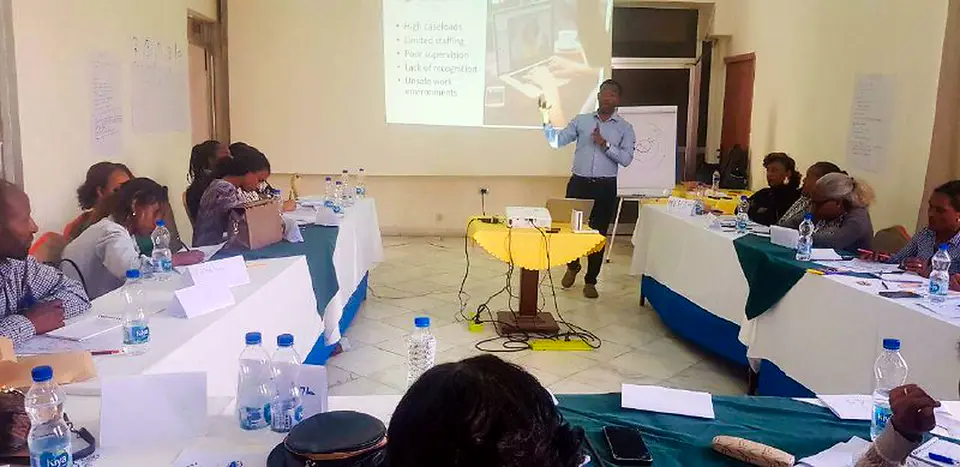
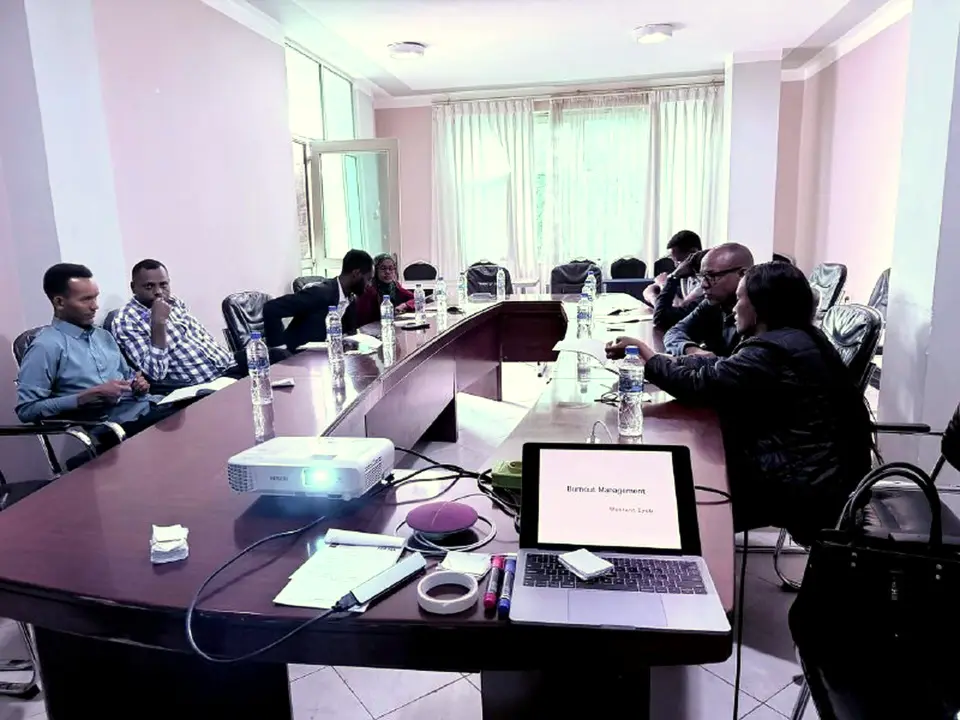
In February, organized by the Office of the Minister of Justice, we delivered a four-day burnout management training for the frontline staff of ONE-STOP. The room brought together the whole team that meets survivors: lawyers, psychiatrists, social workers, police officers and medical professionals.
Putting them in one room mattered. Each profession sees a different part of the same case, and each carries a different part of its weight. The sessions gave them a shared framework:
- What burnout, stress and brownout are, and how they differ
- Causes, consequences and stages
- The key symptoms to recognise, in yourself and in colleagues
- Practical, sustainable ways of coping
A refresher for regional prosecutors
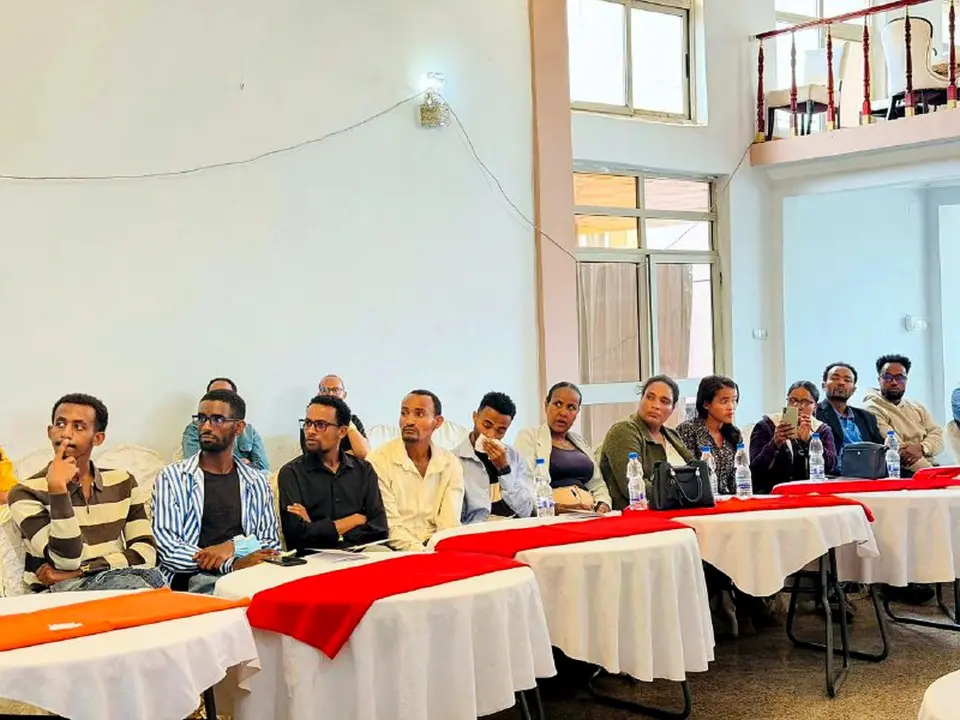
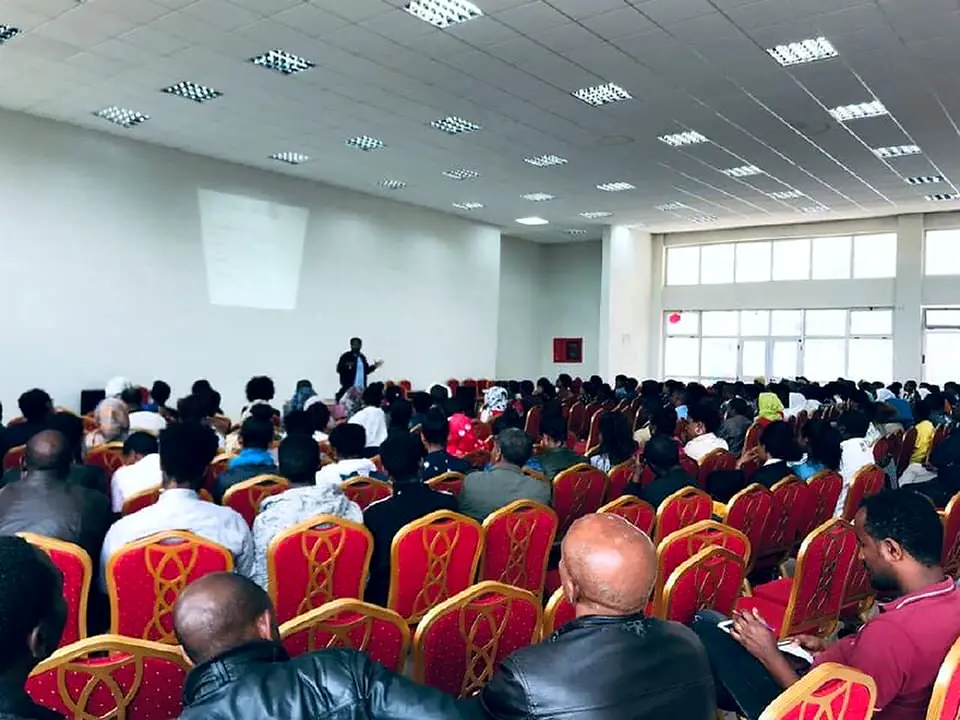
In September, again with the Ministry of Justice, we ran an intensive and highly interactive refresher on burnout management and personal resilience for prosecutors from regional offices. We worked through four questions:
- Understanding the continuum. Where does stress end and burnout begin, and when does burnout become depression?
- Self-assessment. Which stage of burnout am I in? Participants mapped their own wellbeing.
- Root causes and impact. What inside me, and what in the system around me, drives burnout, and what is it doing to my work and my family?
- Practical coping. Self-regulation tools, setting boundaries and coping habits that last beyond the training.
Why this is leadership work
It is tempting to treat burnout as a private matter. It is not. A prosecutor who is exhausted makes slower, harsher or more careless decisions, and the people who pay for that are the women and children the system exists to protect.
Taking time to reflect, recharge and equip yourself with resilience strategies is an essential act of leadership. We were moved by the courage, openness and commitment the participants brought to both programs, and we are grateful to the Ministry of Justice for investing in the people who serve.