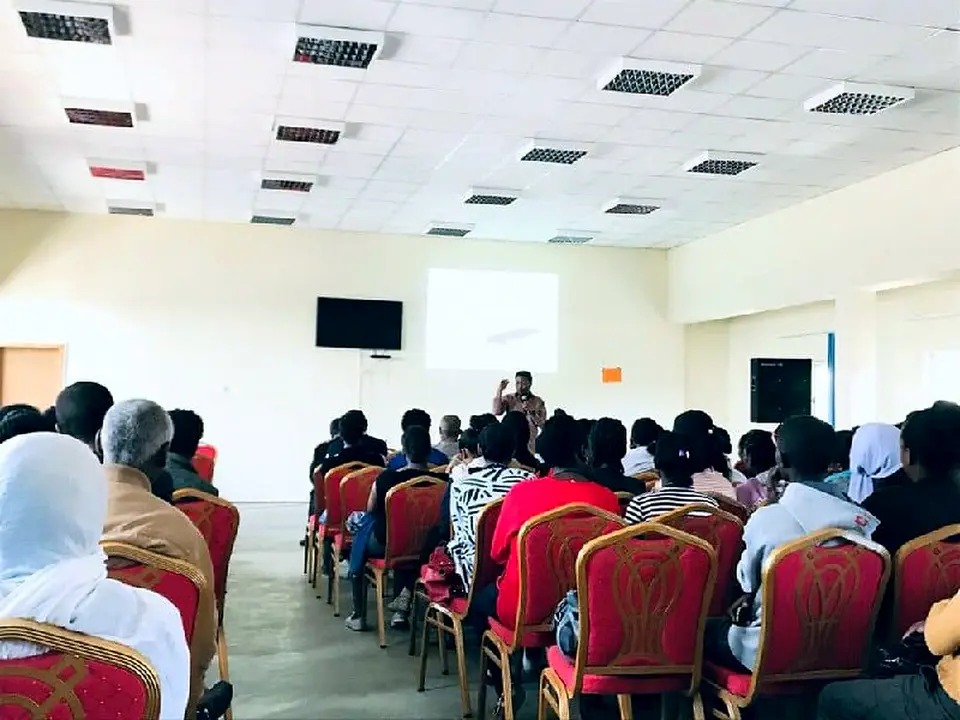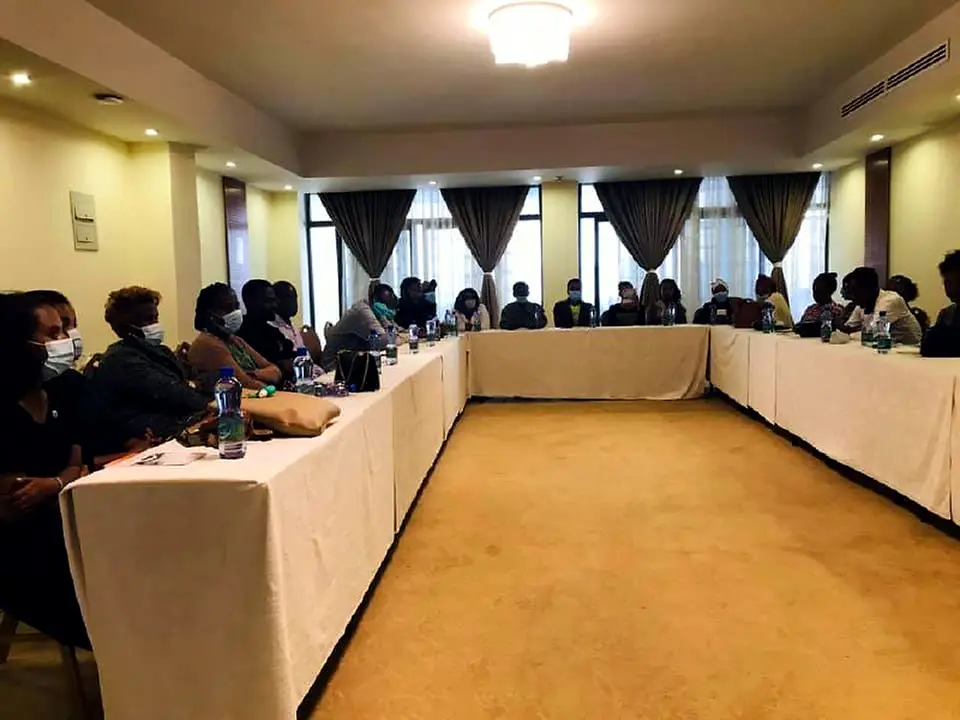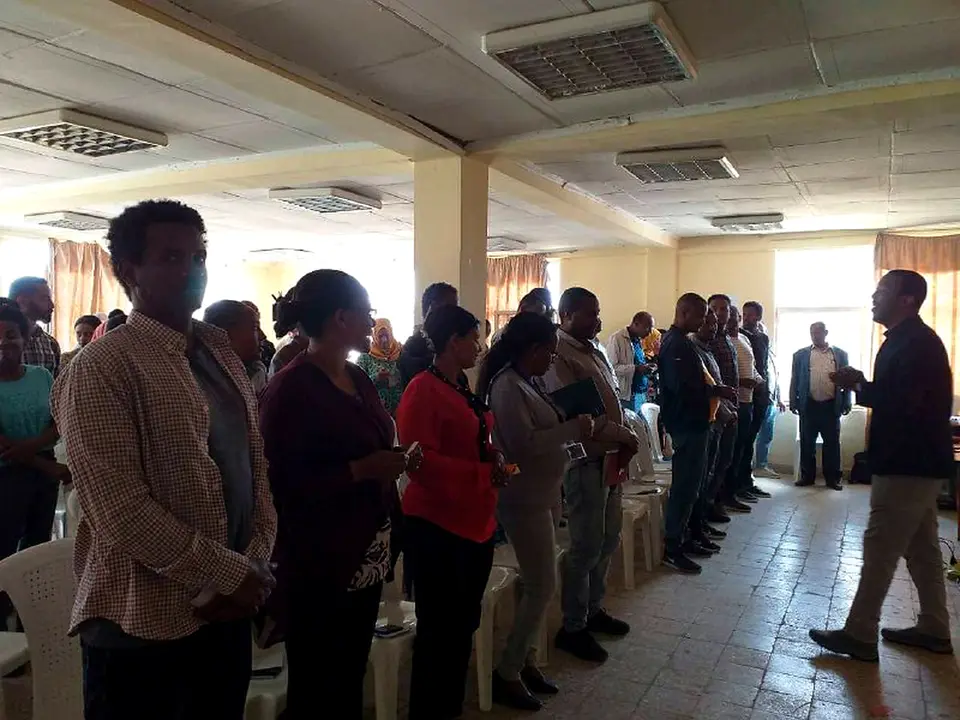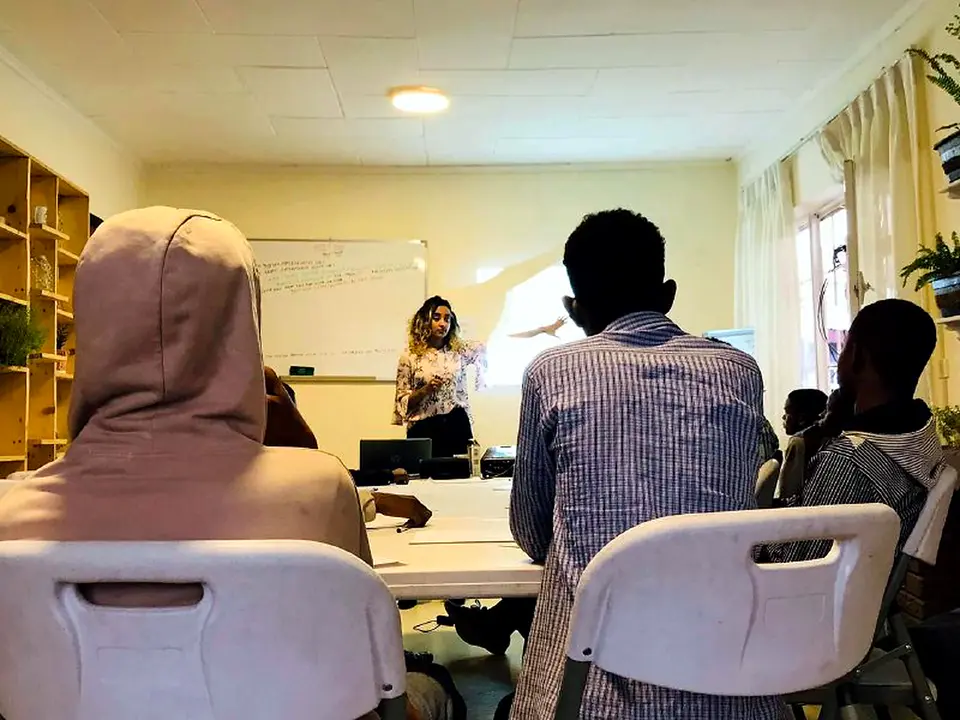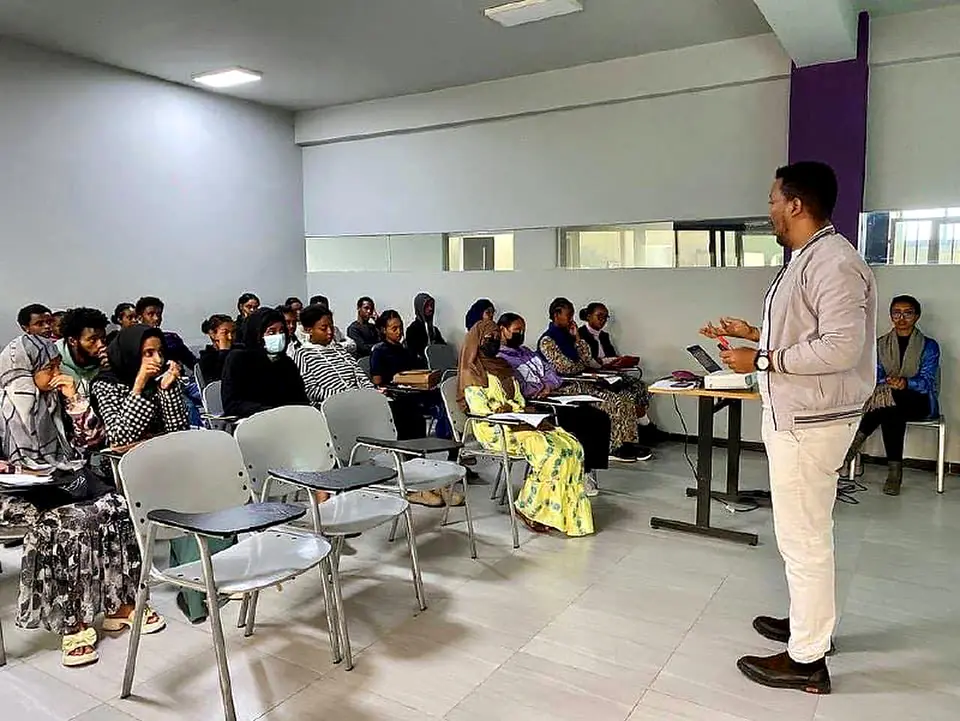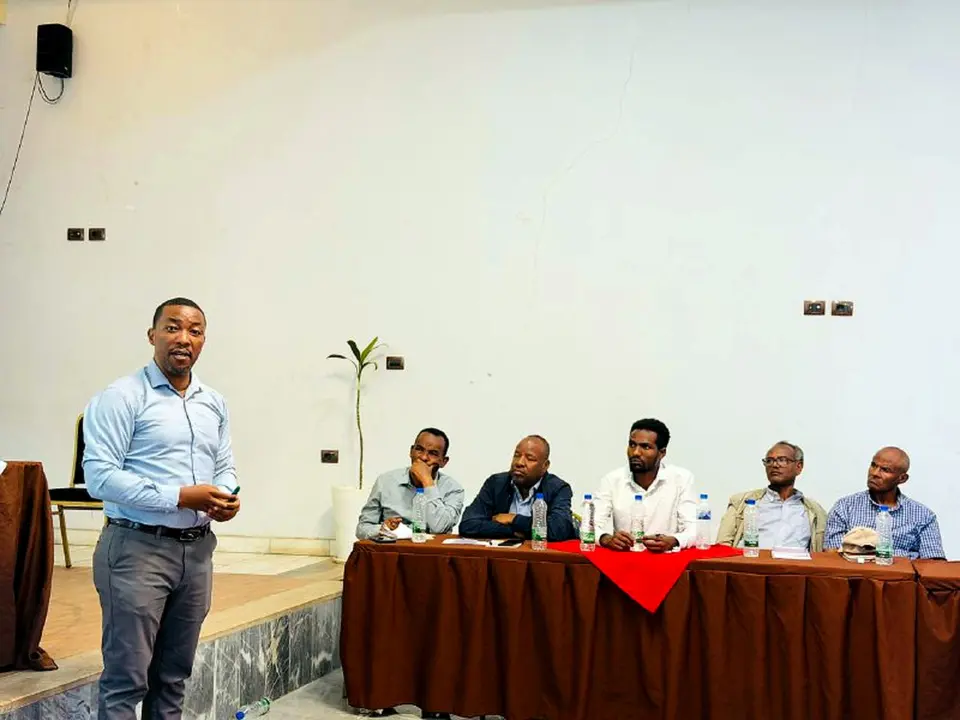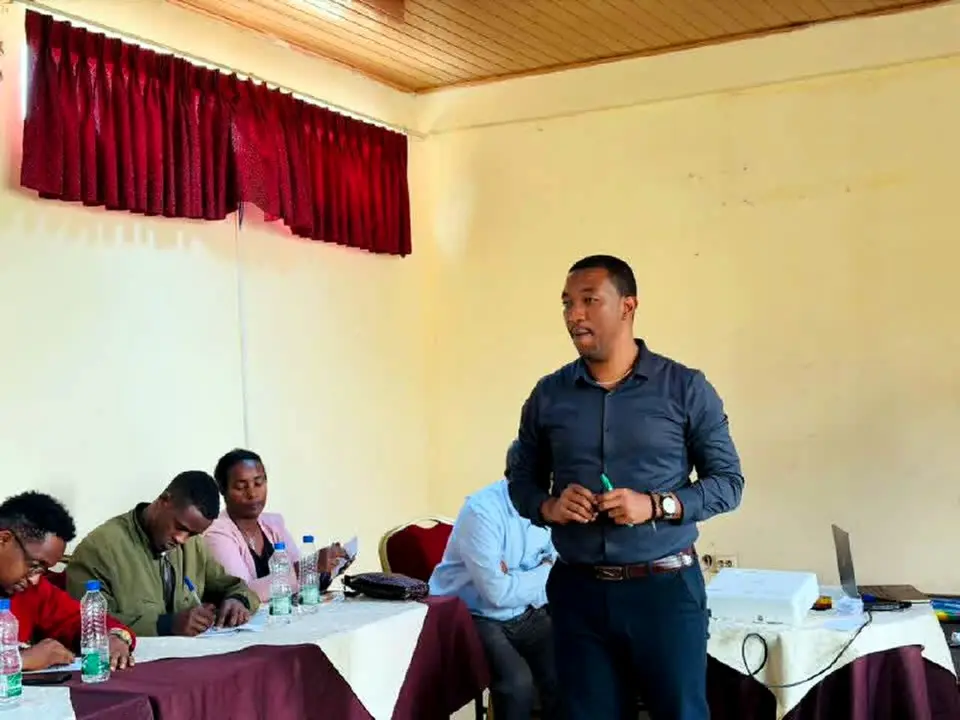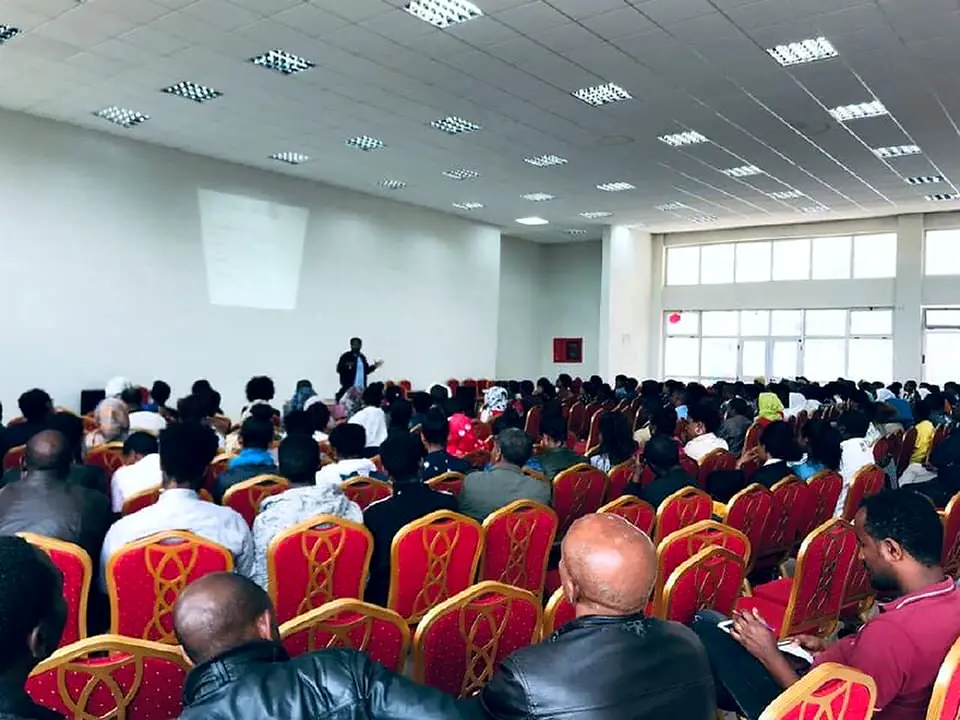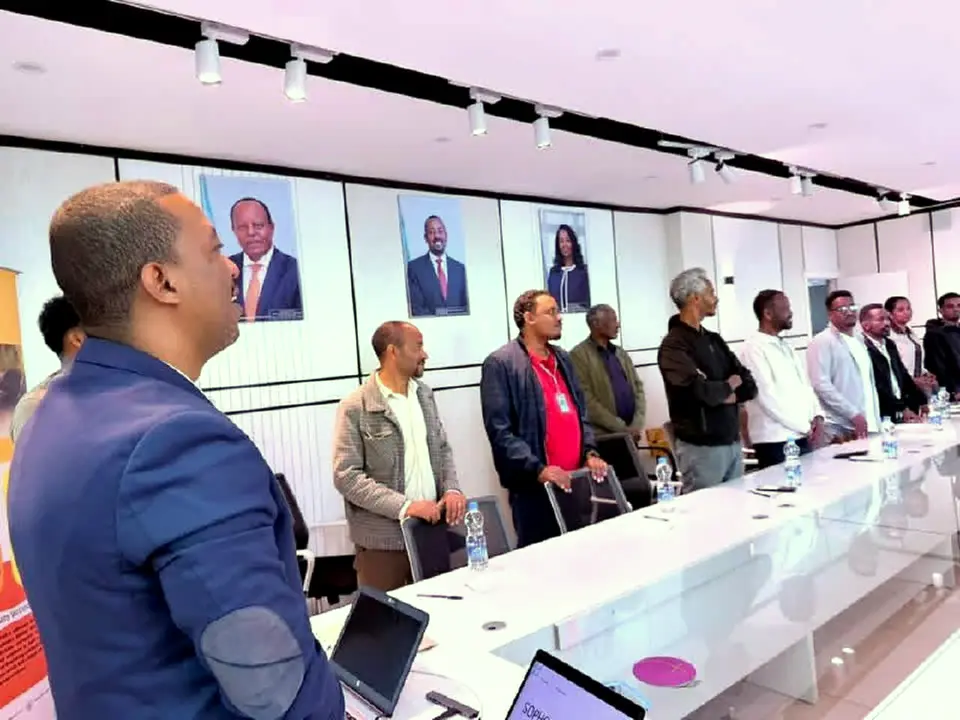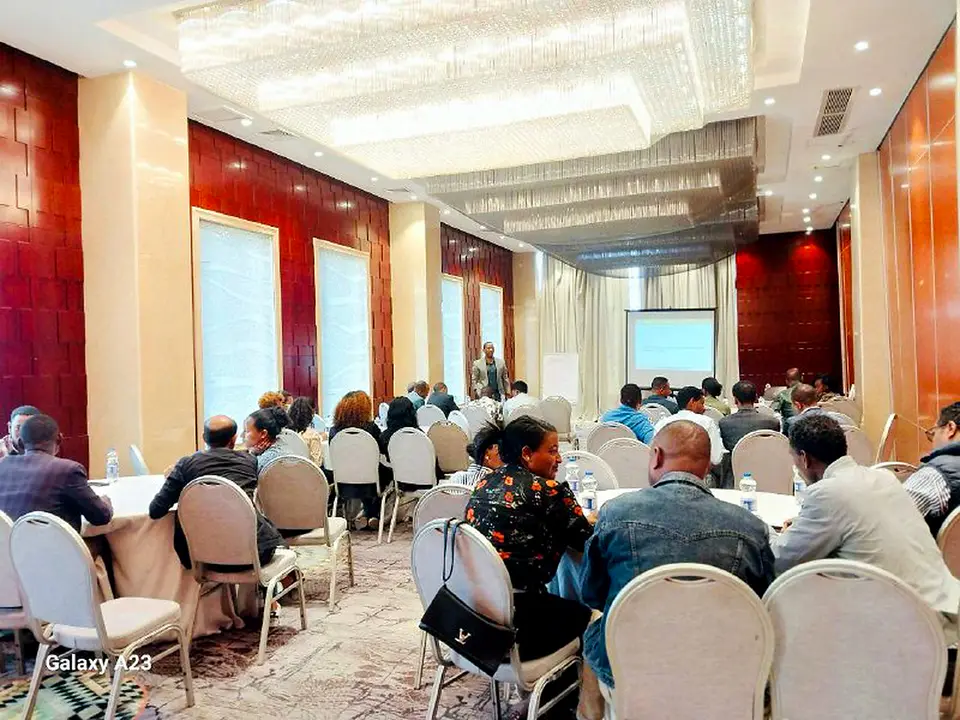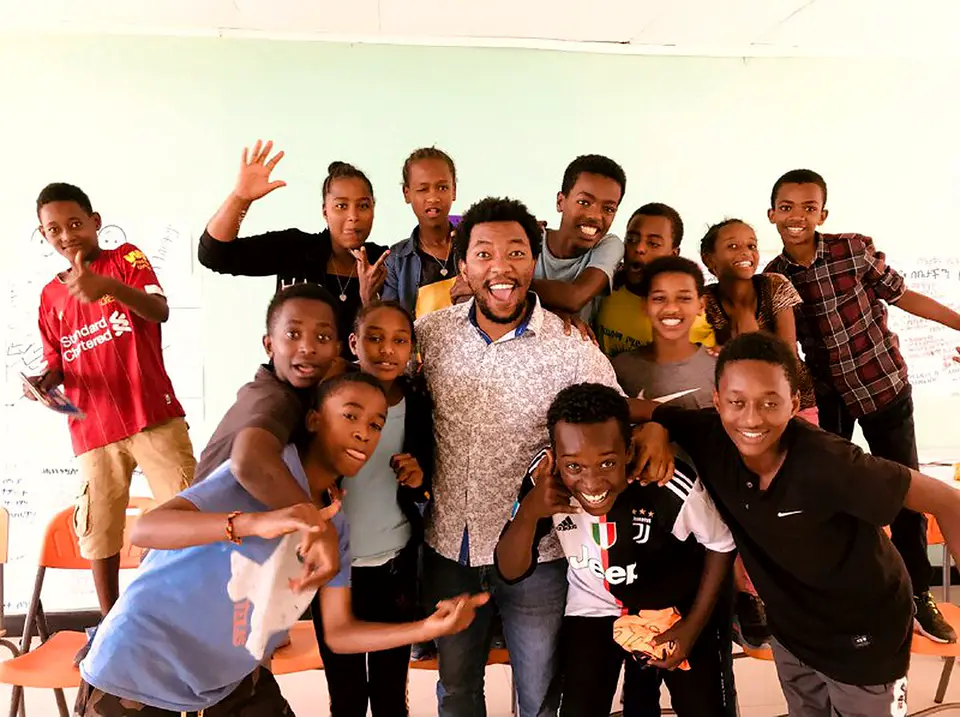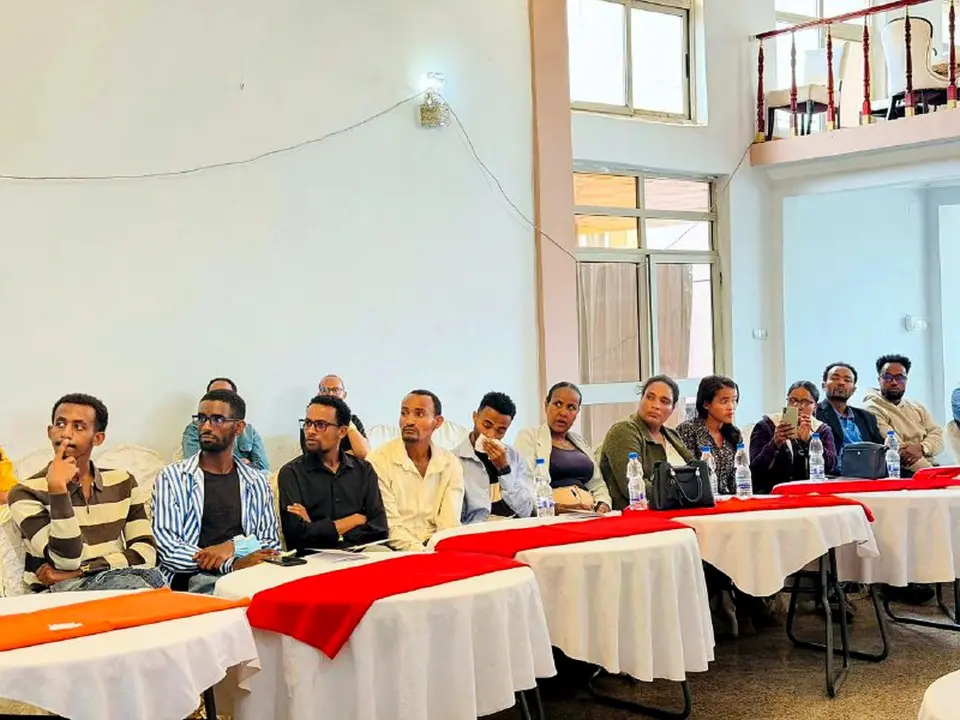
Since our first programs in 2020, one sentence has kept coming back in Wostant Eyob’s notes from the training room: “Change one at a time, then change nation.” It is not a slogan we wrote for a website. It is how he explained the work to the people in the room, year after year, and it is still the best summary of what Team Paragon does.
It starts with leaders
In 2020, at a servant-leadership training for the police commission, he put it plainly: “Leadership is not about lip service, it’s life service.” A year later, after three days of leadership capacity building: “When leaders change, we can change our nation.” And in 2022, training mid-level government leaders in Addis Ababa: “To change your country, you must first change leaders.”
The reasoning is simple. Institutions are run by people, and people copy the leaders above them. A ministry, a bank or a youth centre rarely becomes more honest, more capable or more humane than the people leading it. So the fastest way to change an institution is to change the people who lead it.
National crisis arises from poor standard leadership. A nation grows by developing competent and quality leaders. — Wostant Eyob, 2025
One person at a time
Change at that scale sounds abstract until you remember how it actually happens: in a room, with one person deciding to work differently. In 2023 he wrote:
To see the change we aspire, we must create a critical mass in society. In order to do that, we must focus on building the individual person.
That is why our programs are not lectures. They work on what a person knows (head), who they are (heart) and what they can do (hand). We call it the 3H method.
Engineers, agents and leaders
In 2024, launching a two-week leadership program with Kibur College, he described the people a country needs: “We require change engineers, change agents, and change leaders.”
- A change engineer can analyse a problem and design a solution.
- A change agent has the conviction to move people.
- A change leader brings both together, and shapes the culture around them.
We design every program to move people along that path.
Strategy and character
The same idea, sharpened, came up in Adama in February 2026: “Leadership is a combination of strategy and character. We need few but very important change agents, who are strategic and at the same time value-driven.”
Strategy without character produces clever leaders nobody can trust. Character without strategy produces good people who cannot get anything done. Ethiopia’s institutions need both, in the same person.
The ripple
A month later, in Wolaita Sodo, he used an image that explains why we keep investing in one leader at a time:
The impact of leadership on an institution is like a stone thrown into a pond. The splash is immediate, but the ripples — the policies set, the people developed, the values instilled — spread out for years.
That is the bet behind every program we run. Change one leader, and the ripples reach their team, their institution and their community. Change enough of them, and you change a nation.