Ask most people what a bank manager needs and they will list numbers: risk, credit, compliance, targets. All true. But every one of those numbers passes through a person, and people decide differently when they are tired, anxious, flattered or afraid.
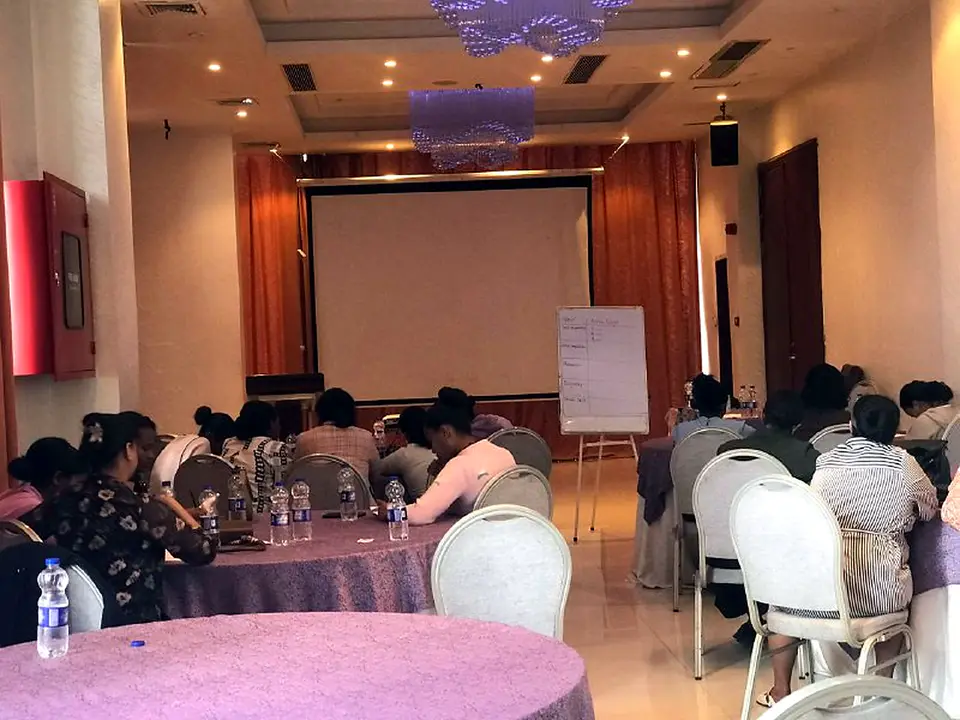
That is why, in December 2025, we were glad to deliver a session on Emotional Intelligence in Banking Leadership for the head-office division and branch managers of Global Bank, organized by SewAsset Consult, followed by a leadership training on emotional intelligence for the bank’s women staff.
Three skills, applied to banking
We did not teach emotional intelligence in the abstract. We tied each skill to a moment bank managers know well.
- Self-awareness. Understanding your own decision-making biases during risk assessments and client negotiations. The bias you cannot see is the one that costs the most.
- Self-regulation. Keeping composure and clear judgment under pressure, from market volatility to regulatory challenges. A calm manager is not a slow one; they are the one whose decisions still make sense a week later.
- Intrinsic motivation. Building resilient, agile teams focused on long-term client relationships and sustainable growth, not only on this quarter’s target.
For the women staff the aim was the same from a different angle: skills for personal mastery and institutional growth, so that talented professionals can bring their full ability to a demanding industry.
Where this teaching began
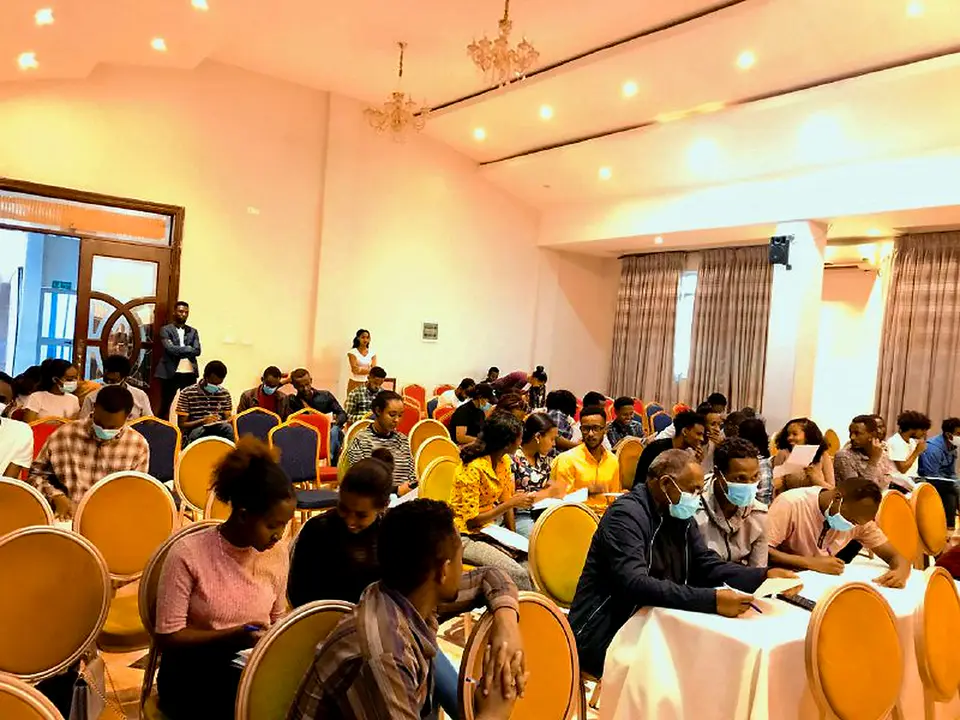
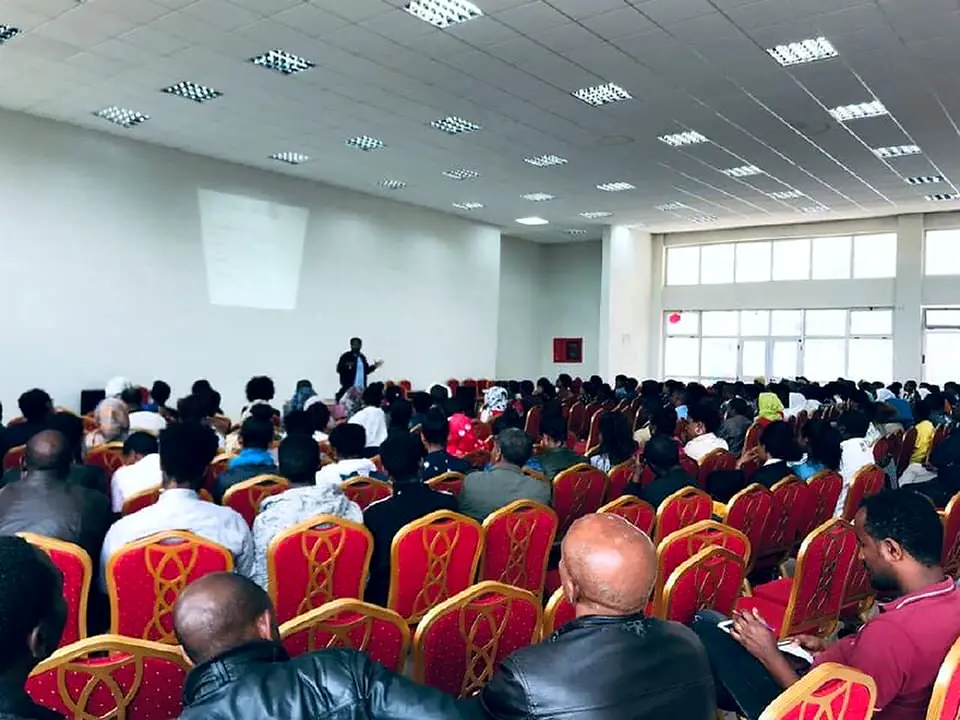
Emotional intelligence is not new for us. In December 2021 we held a public lecture on it in Adama, and promised a second round. In January 2022 we invited Addis Ababa to another, under a simple question: Emotion is powerful. Do you want to know and understand more about emotion and how to manage it? These were public lectures with tickets, open to anyone who wanted to come.
Those public lectures taught us what the bank sessions confirmed: when leaders understand their emotions, they stop being run by them. That is good for their teams, good for their clients and, in the end, good for the balance sheet.