Many organizations are busy. Fewer are going somewhere. The difference is usually a strategy.
A roadmap
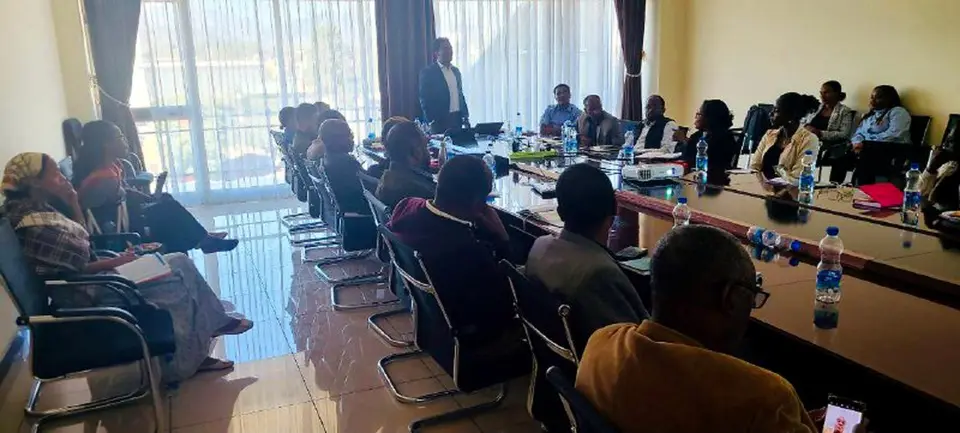
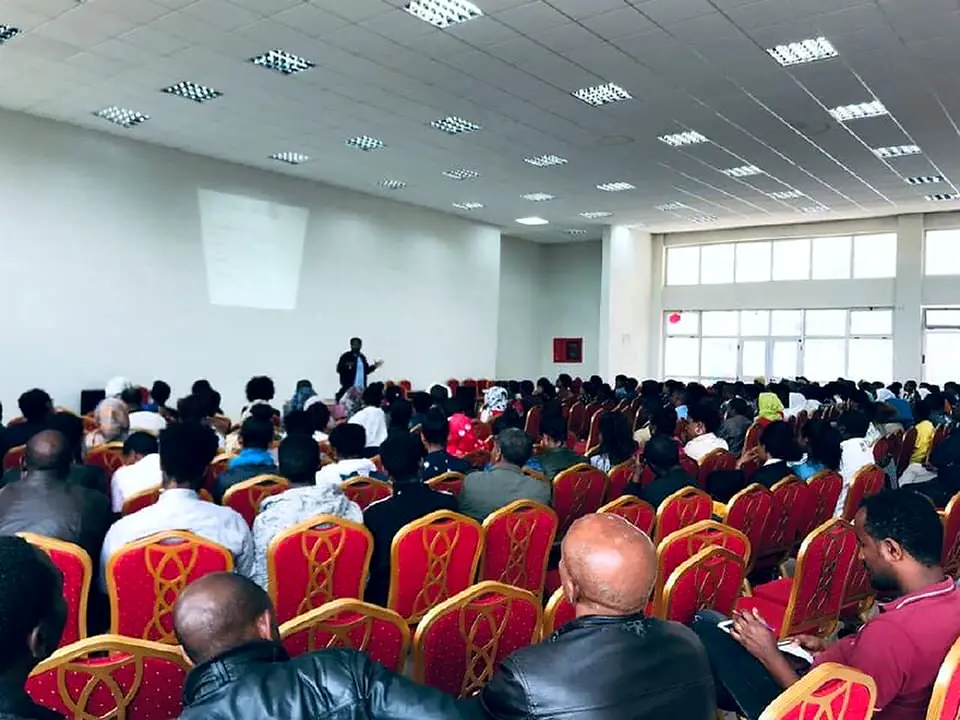
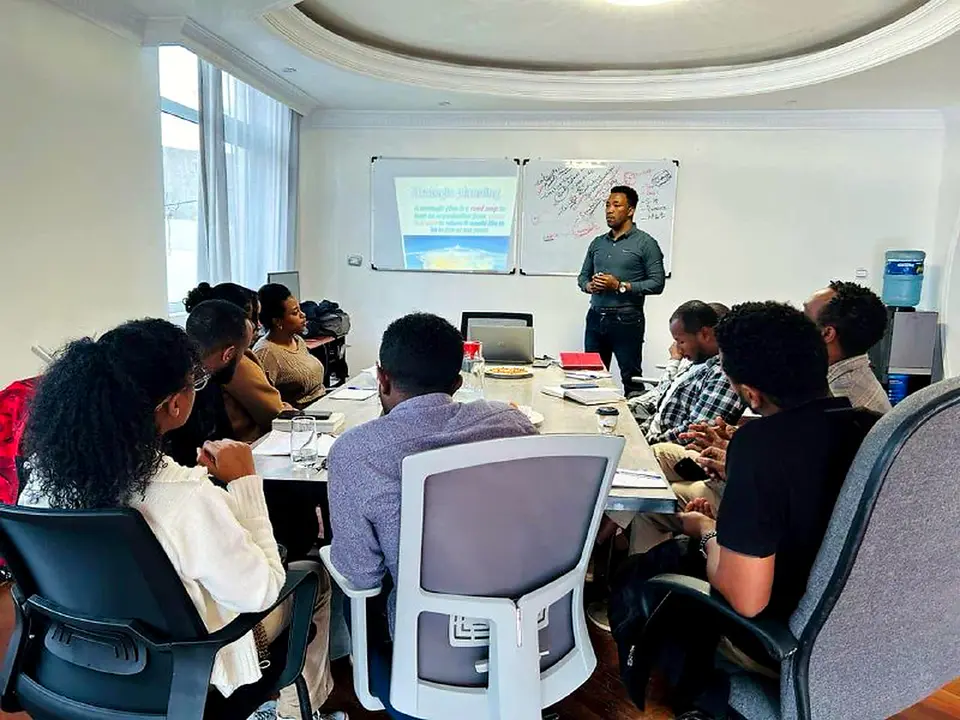
In October 2024 we delivered a training session on creating a strategic plan for the United for Life organization. We described a strategic plan as a roadmap that helps the organization move from where it is now to where it wants to be, and we put the point to its leaders directly: it is important to have a strategy in place before starting activities.
Activity without strategy feels productive. It fills calendars and reports. But it rarely adds up, because no one has agreed what it is supposed to add up to.
Influence, credit and blame
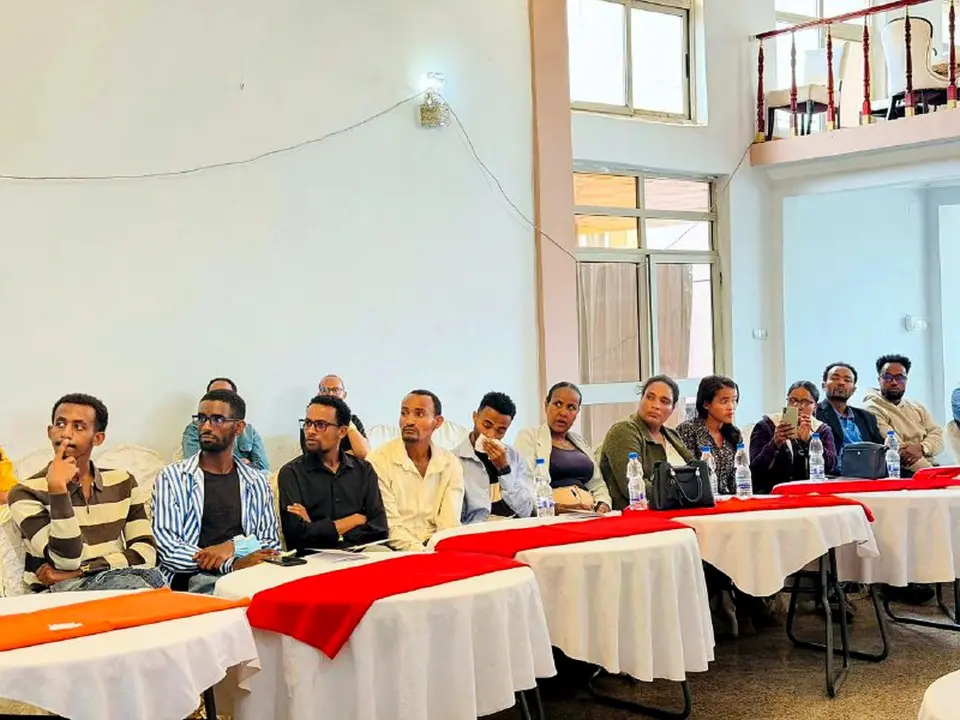
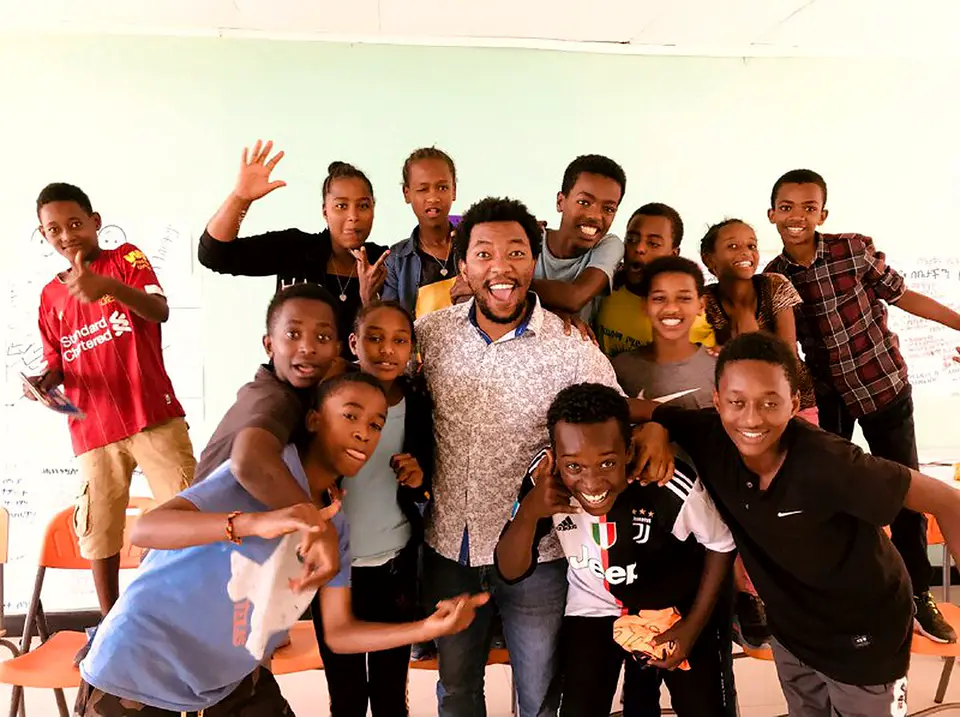
Strategy needs leaders who can carry it. In January 2025, in a leadership module of the Praxis program organized by Sophos Africa, we trained MYS Academy. Our message was that leaders at every level need to know how to influence their team to do its best work every day, and that influence is a powerful skill with many uses.
We added something leaders do not always like to hear: great leaders get the credit for solving complex problems, but they should also be willing to accept the blame when things go wrong.
Tasks, people and teams
We teach action-centred leadership: achieving the task, managing individuals, and overseeing groups and teams, all at once. A leader who focuses only on the task burns people out; one who focuses only on people loses the task. Strategy holds the three together.
Leadership is a combination of strategy and character, as our founder put it in 2026. This is the strategy half.