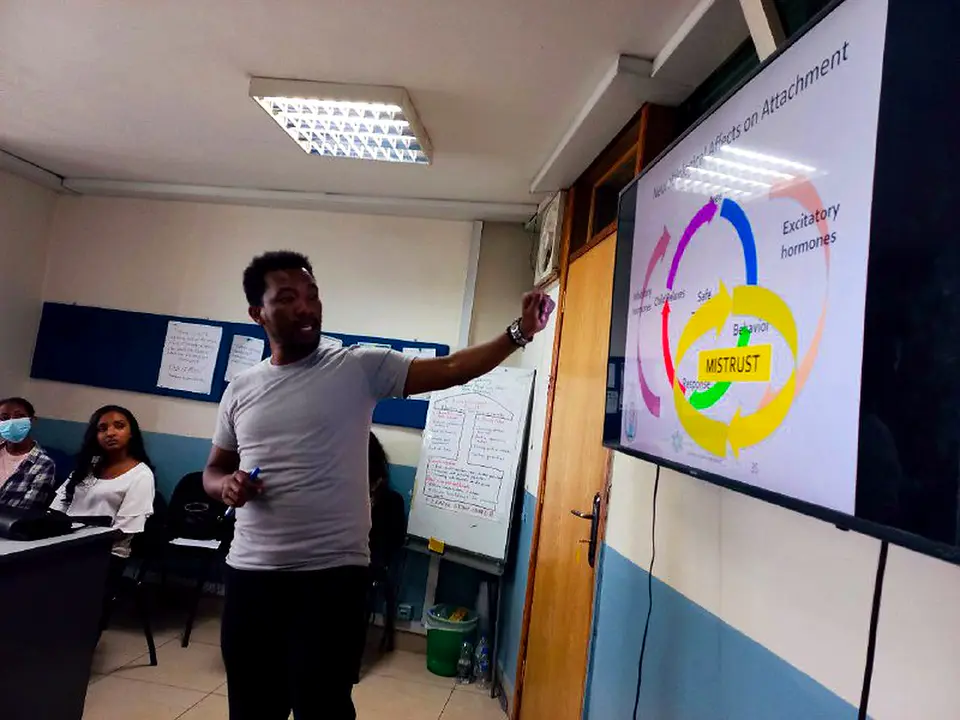
War, displacement, abuse and loss leave wounds that do not show. They show up later, in a child who cannot sit still, a parent who cannot sleep, a colleague who snaps at everyone. Since 2023 our Trauma Healing Training has helped ordinary people respond to those wounds well.
Who it is for
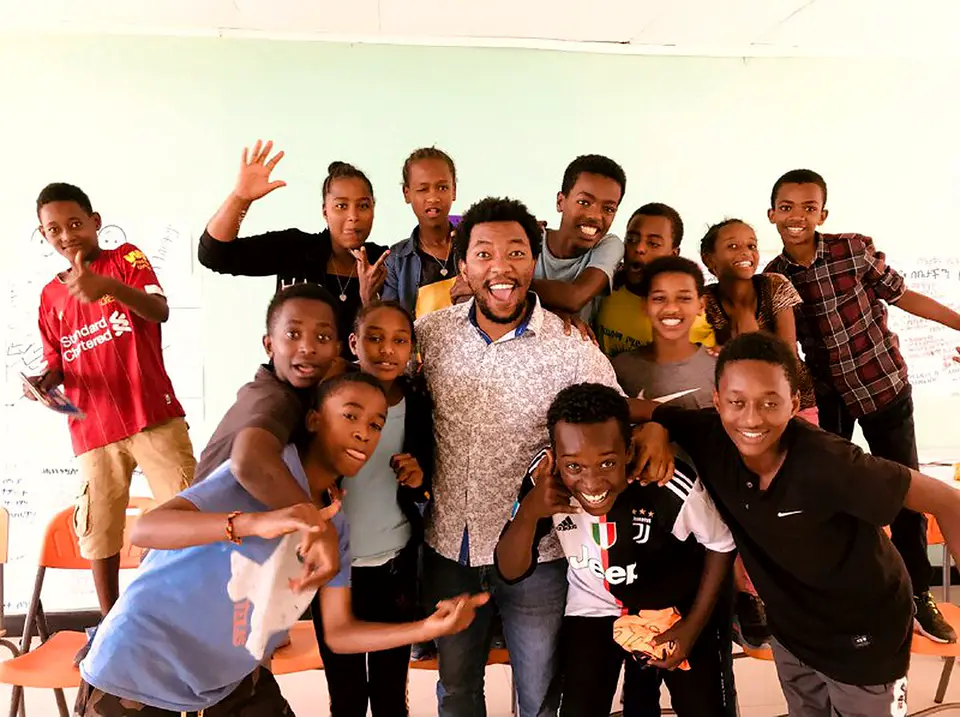
We wrote the invitation to the first cohorts in Amharic, and it still says it best (our translation): if you want to help someone in your family who carries psychological trauma, to support children who have lost their parents, or to help and counsel people traumatised by war or disaster, you should take this training.
The seven skills
The training is built around seven skills of trauma-informed care:
- Understand the impact of trauma. What trauma does to a person, and why they behave the way they do.
- Maximise felt safety. Safety a person can actually feel, not only safety on paper.
- Help people manage emotion.
- Help people manage behaviour.
- Support relationships. Healing happens in relationship.
- Help people understand their life story.
- Personal self-care. You cannot keep giving from an empty cup.
The first six skills are about the person you are helping. The seventh is about you, and it is not optional.
How it runs
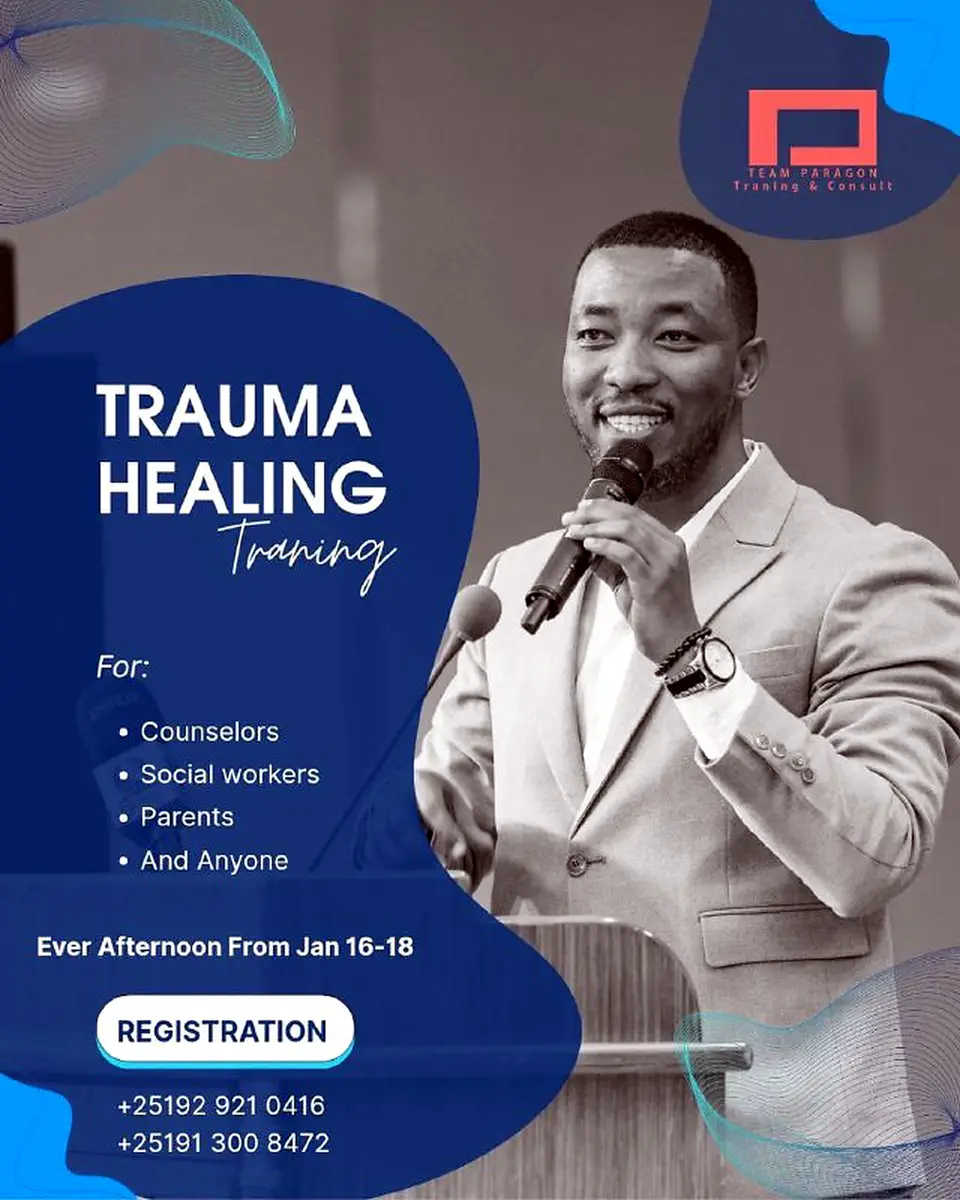
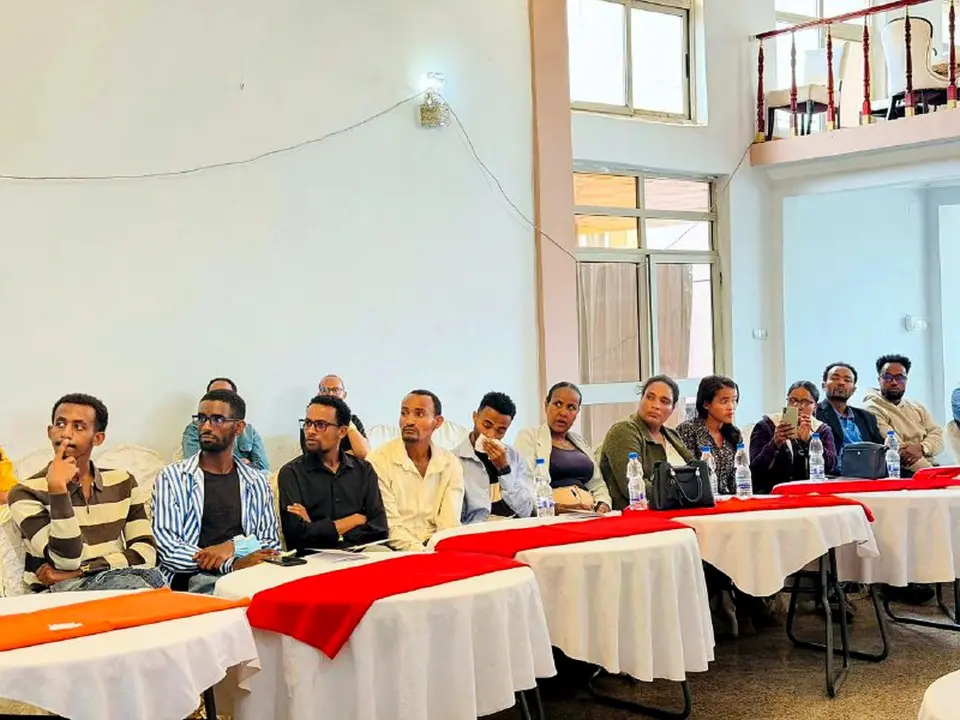
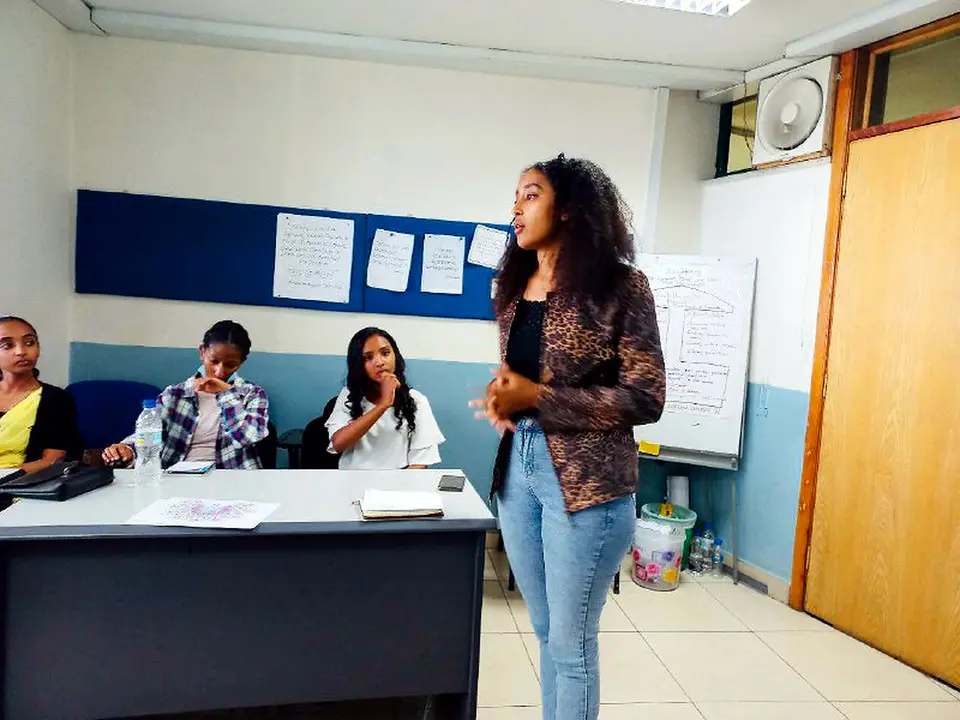
The curriculum is delivered under licence from Lamb International and Global Capacity Network. It runs over three days, on Friday, Saturday and Sunday afternoons so that working people can attend, in Addis Ababa. Everyone who attends all three days receives a certificate and joins our trauma healing community.
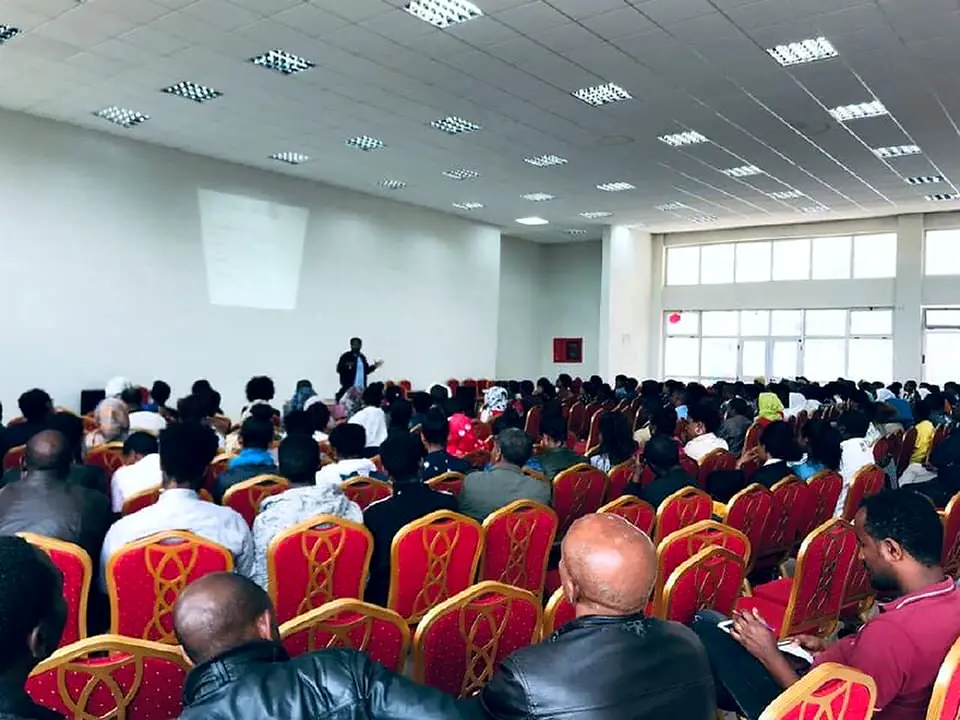
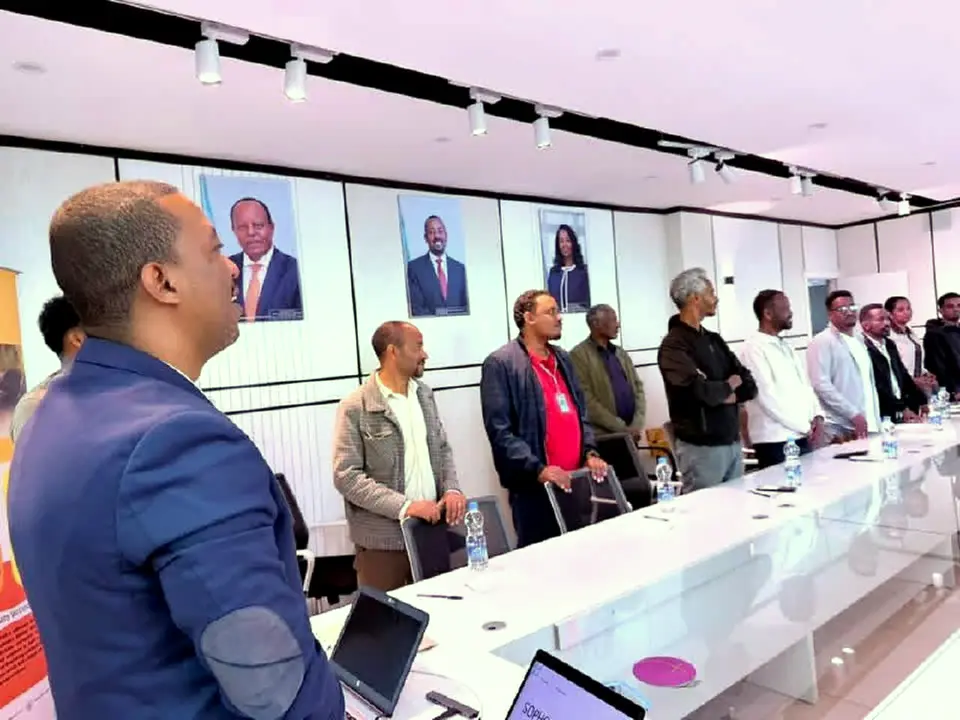
By January 2026 the public training had reached its ninth round. We also take the same skills into institutions and communities: psychosocial support in IDP shelters, trauma healing for leaders from conflict-affected regions, and wellbeing programs for frontline justice staff.
See the Trauma Healing Training page for the next cohort, or ask us about a training for your organization.