When we describe our trauma healing work, we begin where our 2022 training began:
Trauma affects the healthy life of an individual. It really damages the cognitive, emotional, social, physical and spiritual dimensions of human life.
That list matters. Trauma is not only a memory that hurts. It changes how a person thinks and concentrates, how they feel and react, how they relate to family and colleagues, how their body carries stress, and how they make sense of meaning and faith. A training that touches only one of those dimensions leaves the others untouched.
Understanding before skills
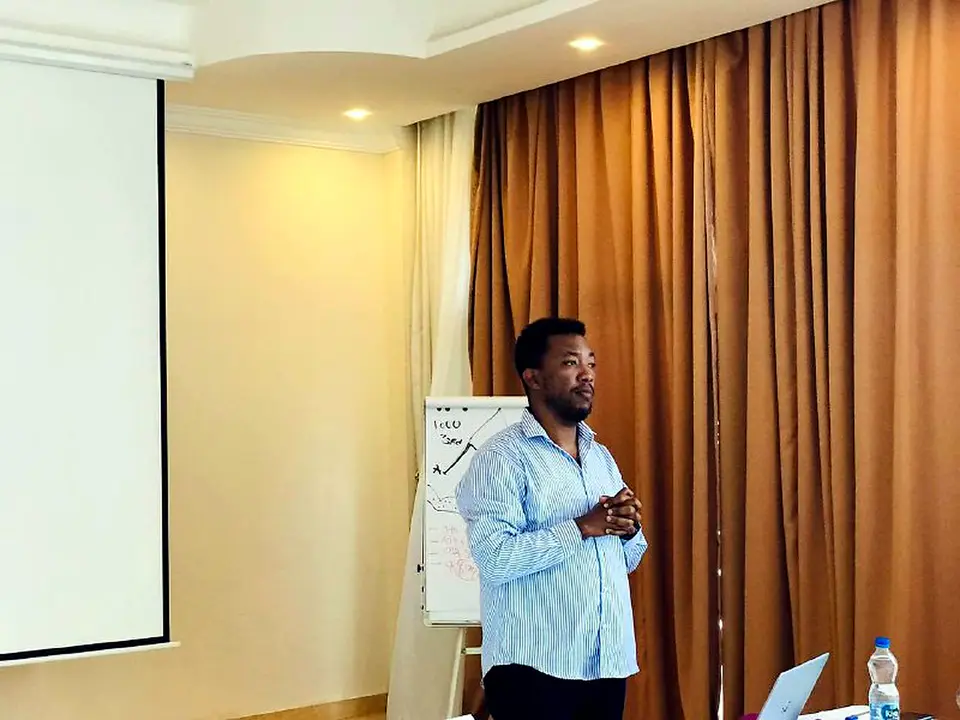
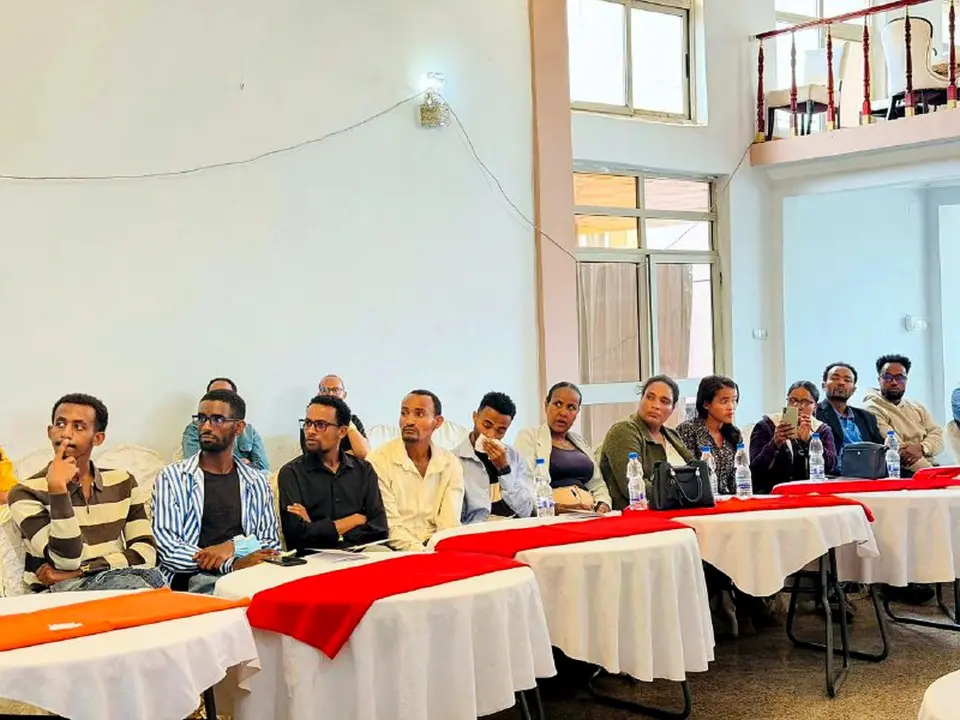
Our three-day trauma healing training in 2022 had two aims, in that order: to understand trauma, and to give the skill to start the healing process.
Understanding comes first because many people who carry trauma have never had words for it. Naming what happened, and what it is doing to them, is often the first relief. Only then do the practical skills make sense: ways to steady the body, to tell the story safely, and to know when someone needs more help than a training can give.
The people who care for others
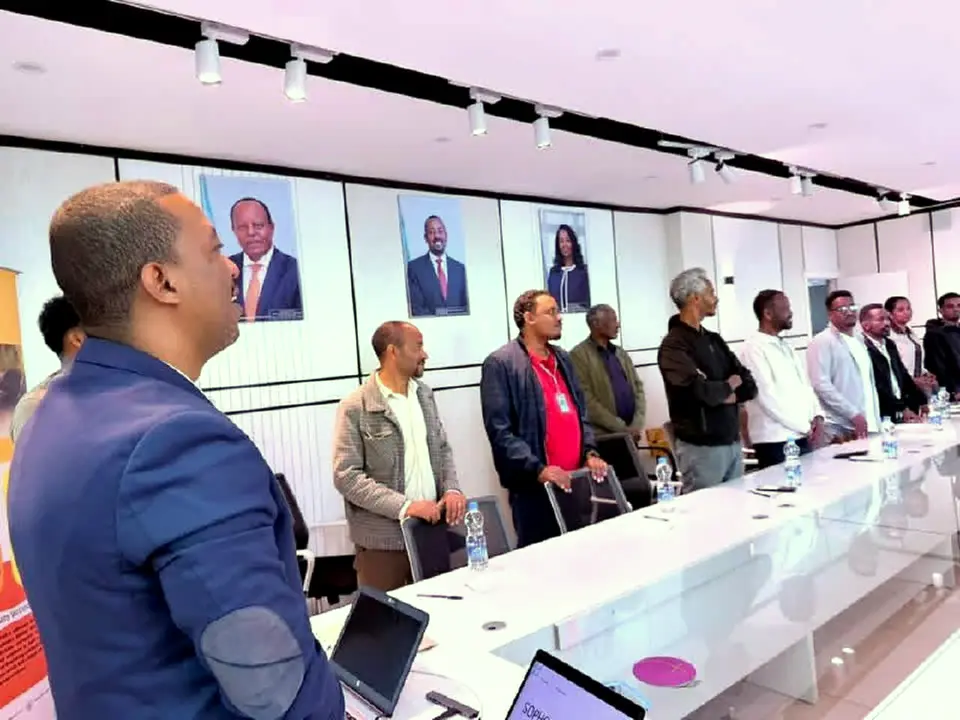
In 2024, organized by the Ethiopian Women Lawyers Association, we ran a comprehensive stress management program for regional and national staff and volunteers who had spent several years in humanitarian work. It equipped them with coping mechanisms for stress and included components on trauma healing and mental health.
People who serve survivors absorb a great deal of what they hear. Without care, the helpers become the next casualties. Training them is not a luxury added to humanitarian work; it is what keeps it going.
A start, not an ending
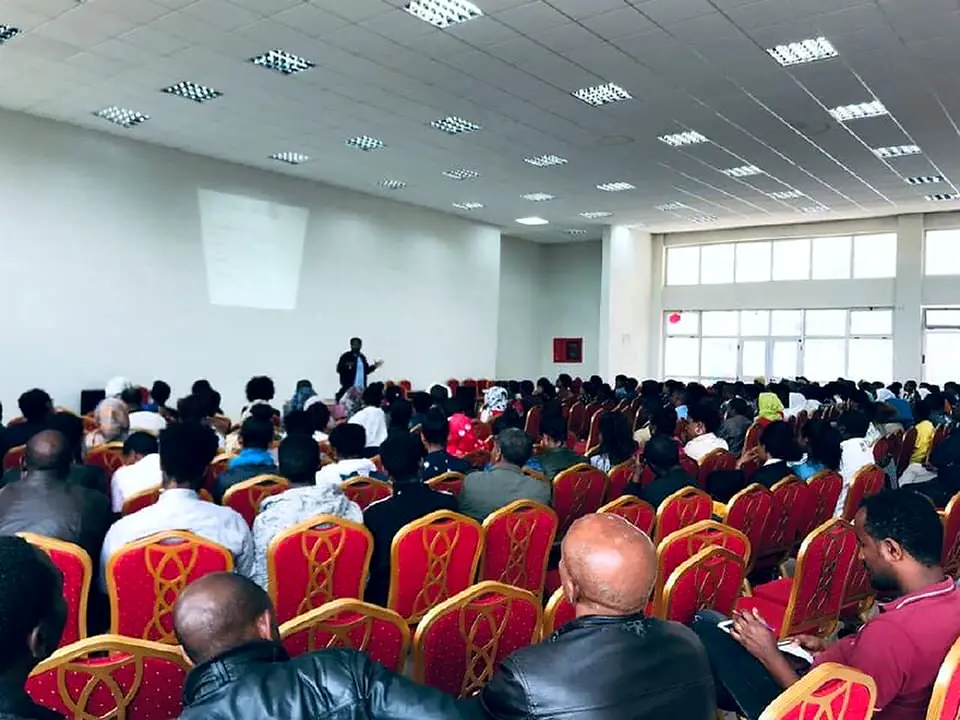
We are careful with the word healing. A training does not heal anyone in three days. What it can do is start the process, give people a shared language, and connect them to each other and to further help. Over the years we have run this work in public cohorts, in workplaces and in communities recovering from conflict.
The start matters. For many people it is the first time anyone has told them that what they feel has a name, and that it can change.